Store knowledge
What should an AI assistant know before it answers your customers?
Prepare product details and store guidance for an AI shopping assistant. Learn what to document, how to test answers, and when your team should step in.
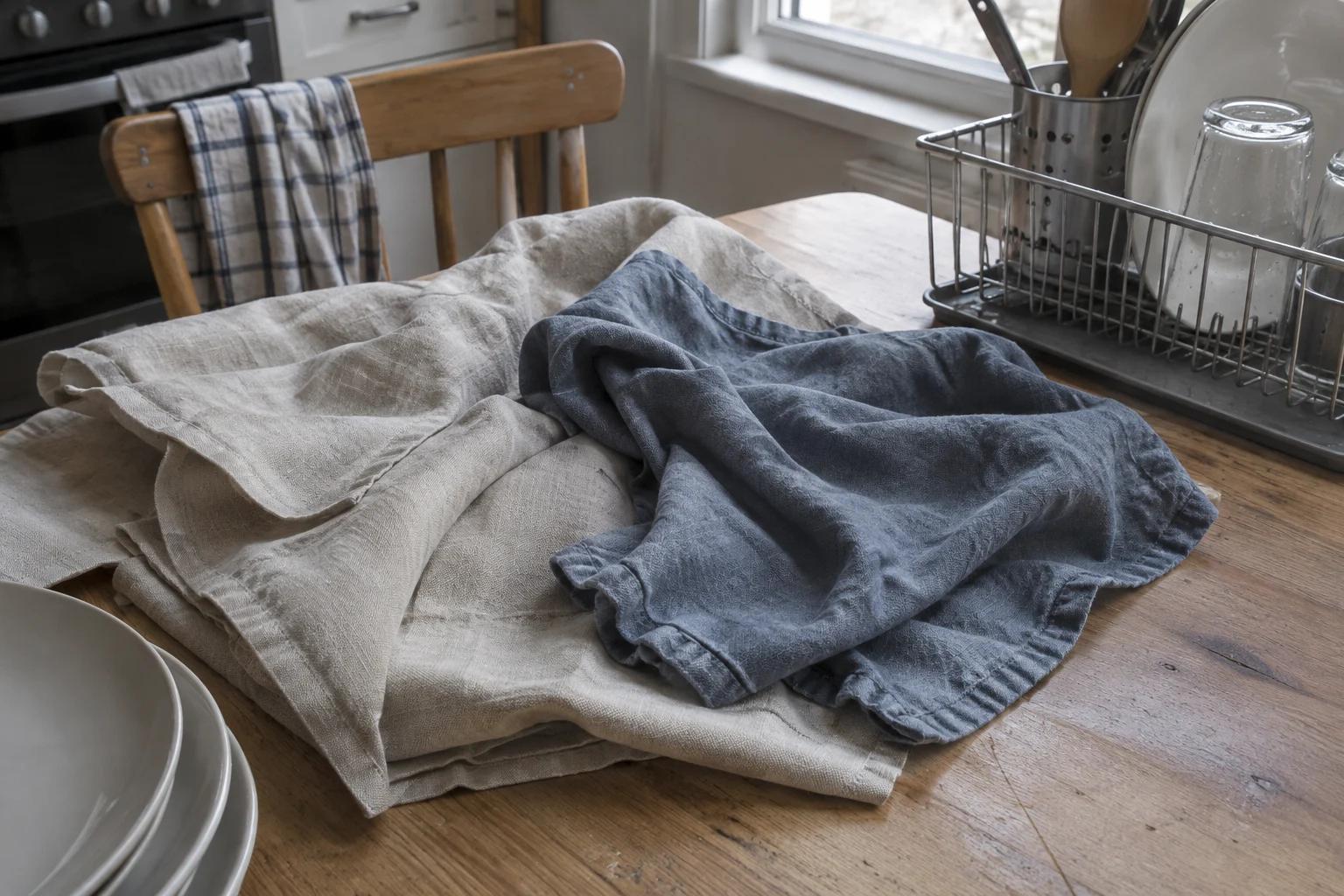
“Can I put this linen tablecloth in the dryer?” is a small question with a specific answer. A useful assistant needs the care instructions for that exact tablecloth. It also needs to recognize when those instructions are missing. A friendly tone helps the conversation, but the product information determines what the assistant can responsibly tell the shopper.
Preparing store knowledge for an AI shopping assistant starts with the questions your team is comfortable answering today. Gather the sources behind those answers, make the details clear, and decide what should happen when the assistant cannot find enough information. You can begin with a small collection and a few common questions.
Give product facts a clear home
For each product, collect the details that influence a purchase or its use. Table linen might need fabric composition, finished dimensions, care instructions, and a description of its weave. A mug might need capacity, dimensions, material, and confirmed dishwasher guidance. The information should belong to the correct product and variant.
Keep factual details separate from broad promotional descriptions. A phrase like “made for everyday life” leaves washing instructions unanswered. Write the instruction itself in a place your team can maintain. When a detail comes from the manufacturer, preserve its meaning and any conditions rather than stretching it into a stronger promise.
Show what a supported answer looks like
Imagine a store whose linen tablecloth has these approved instructions: machine wash cold on a gentle cycle, air dry, and do not tumble dry. The assistant can answer the dryer question directly and explain the next step. It should use this item’s label instead of assuming that every linen product has the same instructions.
Sample store information · Linen tablecloth · Machine wash cold, gentle cycle. Air dry. Do not tumble dry.
Can I tumble dry this linen tablecloth?
The care instructions for this tablecloth say to air dry it. Machine wash cold on a gentle cycle, then hang it to dry. Do not tumble dry.
Does that apply to the napkins too?
I only have the tablecloth instructions here. Share the napkin product name so I can check its own care information.
This is an illustrative example. For your own store, compare the answer with the product page and care label. If those sources disagree, have someone resolve the difference before approving the answer. The assistant should make it easier to understand your guidance while keeping the conditions that matter.
Write policies so exceptions are visible
Store questions often depend on more than a headline policy. A return window may have a different rule for sale items. Delivery estimates may depend on destination and dispatch date. Put those conditions alongside the main answer so your team can see exactly when each rule applies.
Use concrete examples during review. Ask what should happen if an unworn sale item is the wrong size, if a package is late, or if an order arrives damaged. Record which facts are needed, who can make the decision, and where the customer should go next. Avoid filling gaps with assumptions about what other stores usually do.
Distinguish an answer from permission to act
Explaining a return policy and creating a replacement order require different checks. Before enabling an action, define who authorizes it, which information must be verified, and what confirmation the shopper should receive. A response should describe an action as complete only after the connected system confirms that it succeeded.
At Shoplex, the replacement conversation on our landing page is currently a workflow demonstration. Treat it as a way to discuss merchant rules and possible interactions. Confirm which actions are available in your setup before presenting an automated resolution as something shoppers can use.
Decide where your team steps in
Choose a clear next step for questions the assistant cannot answer. An unknown material, conflicting delivery information, or a request outside the documented policy needs a way to reach the store. Tell the shopper what is missing and what the team needs to help. Keep requests for personal information limited to the situation.
Test this deliberately. Remove a care instruction from a test item and ask about washing. Ask about a product you do not sell. Try a return request that depends on an exception. A confident answer is only useful when its details are supported. Review both the answer and the route offered when information is unavailable.
Keep the knowledge current
Give someone responsibility for reviewing changes to products and store guidance. When a return policy or product specification changes, check the assistant’s answer again. Keep a small set of repeatable questions so your team can spot an outdated detail without rereading every conversation.
Before your first demo, choose three products and the questions customers ask about them. Bring the relevant product details, store guidance, and one example your team would need to handle. That gives us a practical starting point for discussing how Shoplex should answer in your store and what needs more preparation.